
The Rockport Pest Journal
The Rockport Pest Control Journal
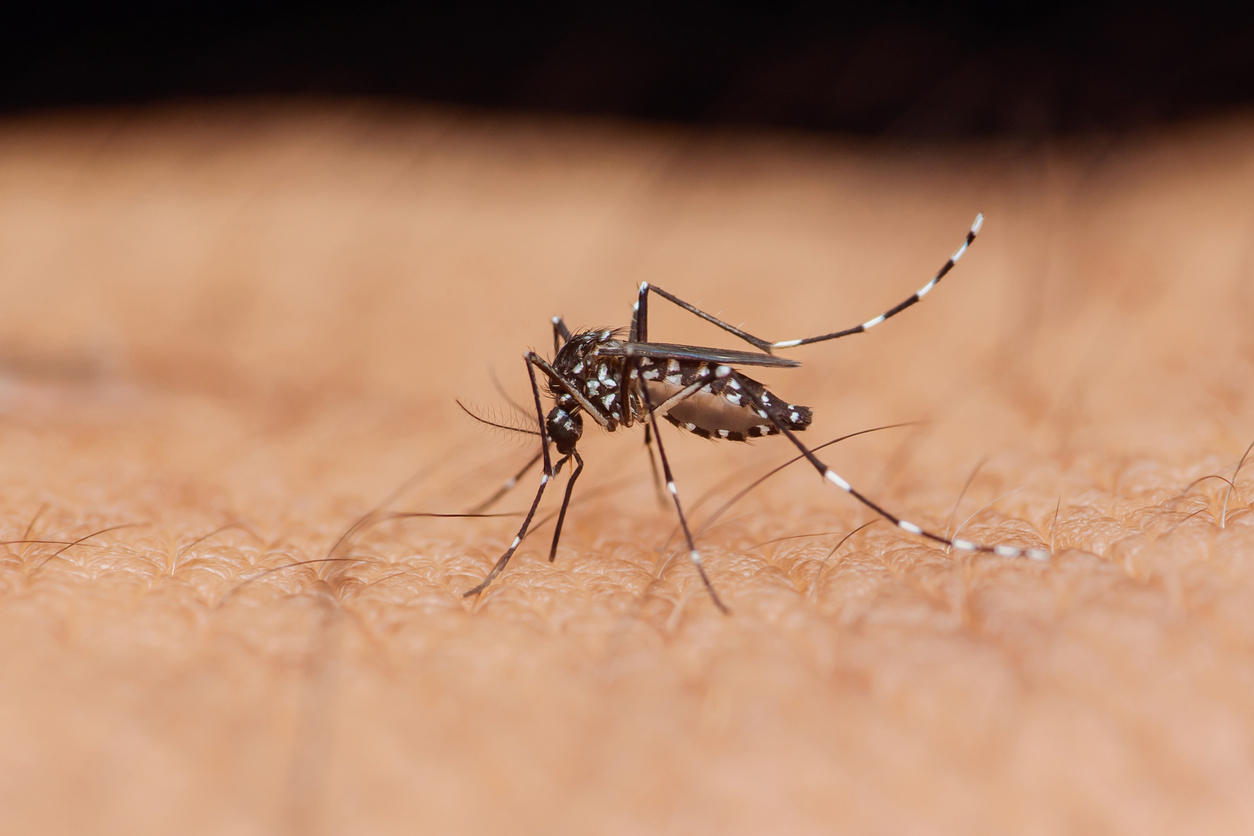
Mosquito Prevention – A Recent Job & Some Homeowner Tips
By John, Owner, Total Pro Pest Control
What I Walked Into
A few weeks ago, I got a call from a homeowner here in The Greater Corpus Christi area. The homeowner said they couldn’t spend more than a few minutes outside without getting bitten by mosquitoes. It had gotten to the point where their kids stopped using the backyard in the evenings because the mosquitoes were so bad.
The property itself looked fine at first glance. Nice backyard, well-maintained lawn, patio area, and a small garden along the fence line. But once I started walking the property, it didn’t take long to see why the mosquito activity had gotten out of control.
That’s usually how mosquito problems go. Most of the breeding spots are small enough that homeowners don’t even realize they’re there.
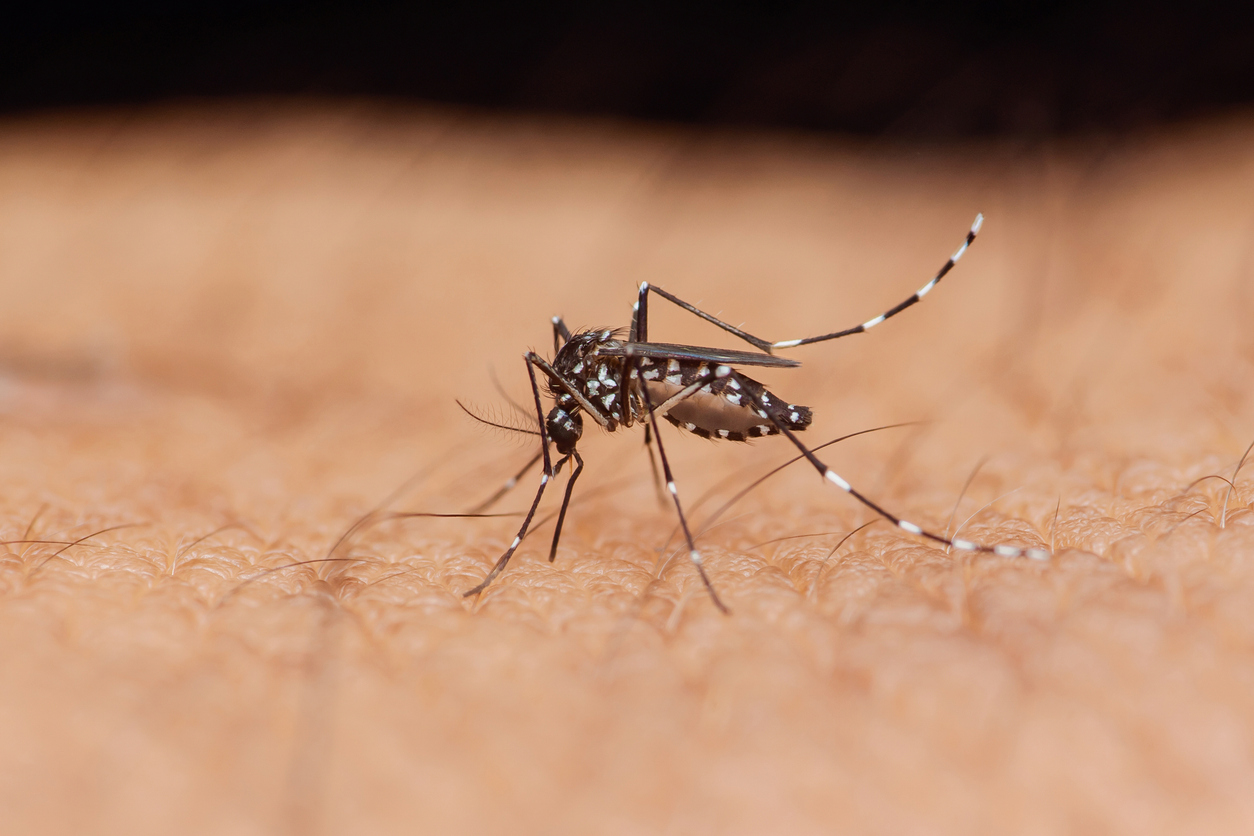
The Problem
Mosquitoes become a major issue around this time of year in The Greater Corpus Christi area, especially once the heat and humidity settle in for the summer.
During the inspection, I found several areas around the property that were helping the mosquito population grow. There was standing water sitting in clogged gutters, water collecting underneath potted plants near the patio, and damp shaded areas near the fence line where mosquitoes could rest during the day.
What surprises most homeowners is how little water mosquitoes actually need. It doesn’t take a large puddle or pond. Even small amounts of standing water can become active breeding areas within just a few days, especially during hot weather.
The homeowner had already tried citronella candles and a few store-bought sprays, but the mosquitoes kept coming back. That’s pretty common. Those products might help temporarily, but if the breeding areas around the property stay active, the mosquito population rebuilds very quickly.
The biggest frustration for them was losing the ability to comfortably use their backyard. They avoided sitting outside in the evenings, and the kids were constantly coming back inside covered in bites.
The Process
I started by identifying the areas around the property where mosquitoes were most likely breeding and resting.
First, I addressed the standing water issues. I pointed out the clogged gutters, containers holding water, and areas where drainage around the yard could be improved. Removing breeding sites is one of the most important parts of mosquito control.
After that, I treated the property perimeter, focusing on shaded areas, vegetation, fence lines, and damp spots where mosquitoes tend to rest during the day.
Mosquito control works differently than a lot of other pest treatments. It’s not just about reducing the number of adults flying around right now.
I also talked about ongoing maintenance around the yard, including trimming vegetation, improving airflow in shaded areas, and keeping standing water from building up again after rain.
Nothing complicated. Just reducing the conditions mosquitoes rely on.
The Outcome
Within a few days, the homeowner noticed a big drop in mosquito activity around the backyard and patio.
By the time I followed up the next week, they said they were finally able to sit outside again in the evenings without constantly swatting mosquitoes away. The kids had started using the backyard again, and the homeowner mentioned they weren’t rushing back indoors after sunset anymore.
That’s usually the biggest difference people notice. It’s not just fewer bites — it’s getting comfortable using the outdoor space again.
They also said they started paying more attention to small areas where water collects around the property. Once people know what to look for, it becomes much easier to stay ahead of mosquito problems before they build back up.
DIY Advice
After the treatment, I gave the homeowner a few simple things they could continue doing to help keep mosquito activity down around the property. The biggest thing was staying on top of standing water. I recommended regularly emptying containers like buckets, flowerpots, toys, and anything else that collects rainwater.
I also suggested keeping gutters cleaned out so water drains properly after storms and trimming back thick vegetation near patios and fence lines where mosquitoes like to rest during the day.
I also talked about a few smaller things people often overlook, like checking tarps and wheelbarrows after rain, repairing outdoor faucet leaks, and avoiding overwatering areas that already stay damp. Even small moisture problems can create conditions mosquitoes like.
I also recommended making sure window and door screens stay in good condition to help keep mosquitoes from getting inside the home.
The homeowner stayed consistent with those changes after the treatment, and it made a noticeable difference in keeping mosquito activity under control.

Professional Insight
Mosquito problems usually come down to breeding conditions around the property.
If standing water and shaded resting areas are still there, mosquitoes will keep returning no matter how many sprays or candles people use temporarily.
Professional mosquito treatment works best because it combines both sides of the problem — reducing active mosquitoes and helping homeowners identify the conditions allowing them to breed in the first place.
That’s why inspections matter. Most mosquito breeding spots are small and easy to overlook if you don’t know what you’re looking for.
It’s not about making the yard chemical-heavy. It’s about interrupting the mosquito cycle before the population keeps growing.
Closing Thoughts
Every summer in The Greater Corpus Christi area, mosquito activity picks up fast once the heat and humidity settle in.
Most mosquito problems don’t start with one large issue. They build slowly from small areas of standing water and shaded spots around the property that get ignored over time.
If you’re noticing mosquitoes getting worse around your yard, especially in the evenings, it’s worth taking a closer look early before the population grows.
Small changes around the property make a bigger difference than most people realize.
Stay ahead of standing water, keep an eye on shaded areas, and don’t ignore repeat mosquito activity around the same parts of the yard.
– John

Schedule a Pest Inspection
Ready to schedule a pest inspection? Contact us today.

Have a question? Give us a call
We are happy to answer any questions you have :)
161 Kokomo Dr, Rockport, TX 78382, United States
+13613265677