March - Ants - A Recent Job & Some Homeowner Tips
By John, Owner, Total Pro Pest Control
What I Walked Into
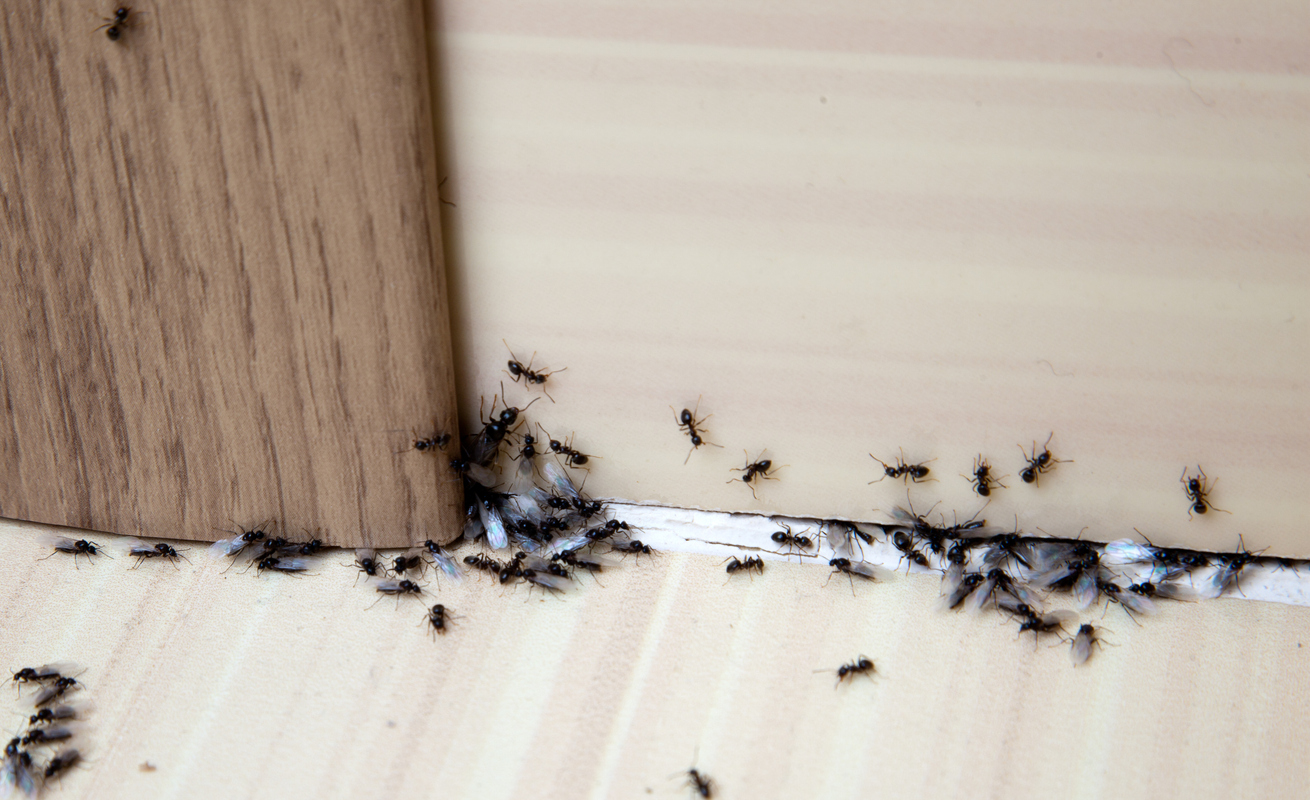
Last week, I got a call from a homeowner in a newer subdivision here in Portland. Two-story home, clean, well-kept. She said she first noticed a small line of ants near the kitchen sink. At first, she wiped them up and didn’t think much of it. The next morning, the line was back — longer this time — running from the back door straight across the counter toward a fruit bowl.
Ants are small, but when they settle in, they move with purpose.
During the inspection, here’s what stood out:
A steady trail coming in from a small crack near the back patio door
Activity along the kitchen backsplash and behind the dishwasher
Moisture buildup under the sink cabinet
Signs of outdoor nesting near the foundation
What most homeowners don’t see is how organized ants are. That line in the kitchen isn’t random. It’s a direct route from a colony to a food source. In this case, they had found water and small food particles around the sink area.
The homeowner was frustrated more than anything. The house was clean. She felt like she was constantly wiping counters, but the ants kept coming back. That’s the part that stresses people out — doing everything right and still seeing them return.
The Process
I started outside, because that’s usually where ant problems begin. Most of the time, what you see in the kitchen is just the end of a much bigger trail.
I walked the perimeter of the home and focused on the areas closest to the kitchen. I found small gaps along the patio door frame and visible ant activity in the mulch bed against the house. That mulch was holding moisture, which ants like. Colonies often build close to foundations, especially when there’s water nearby and easy access inside.
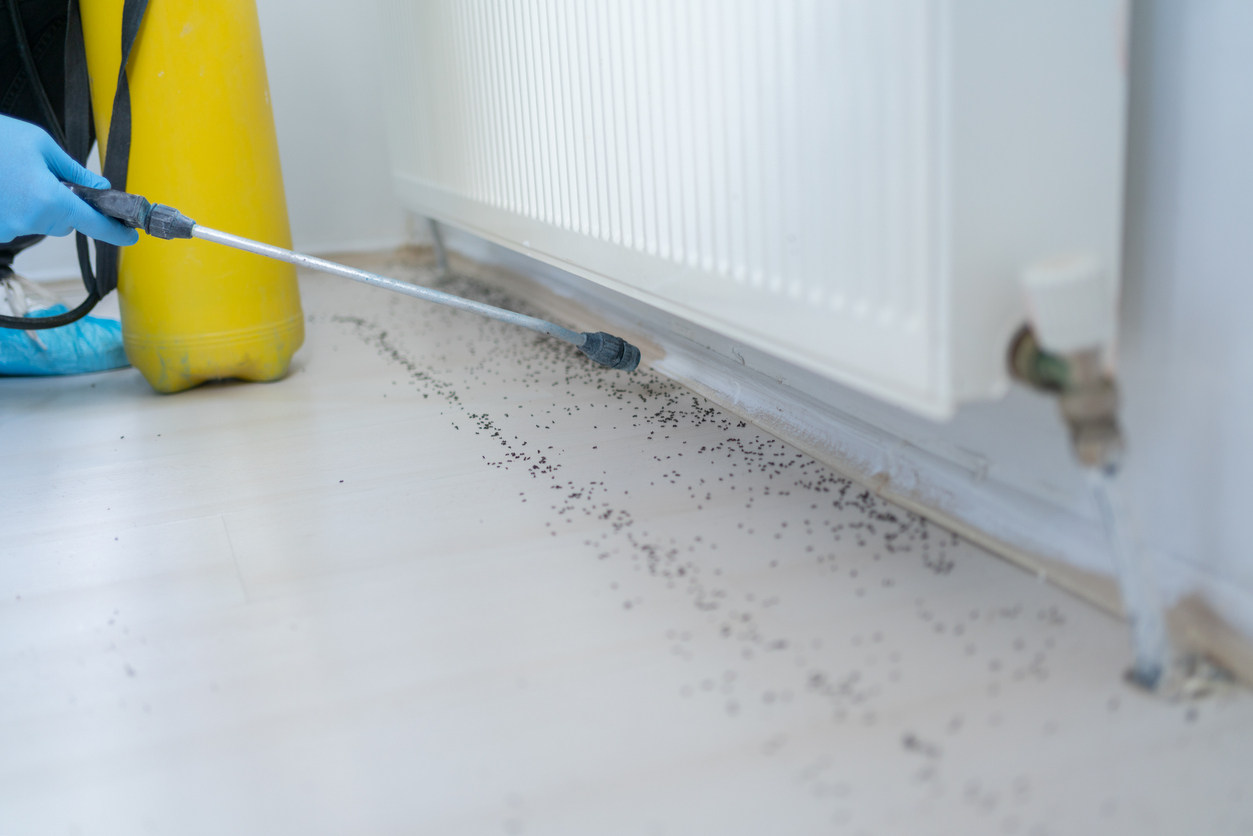
After identifying the likely nesting areas, I treated the exterior perimeter of the home. The goal there isn’t just to kill ants on contact. It’s to create a controlled barrier so they stop entering in the first place.
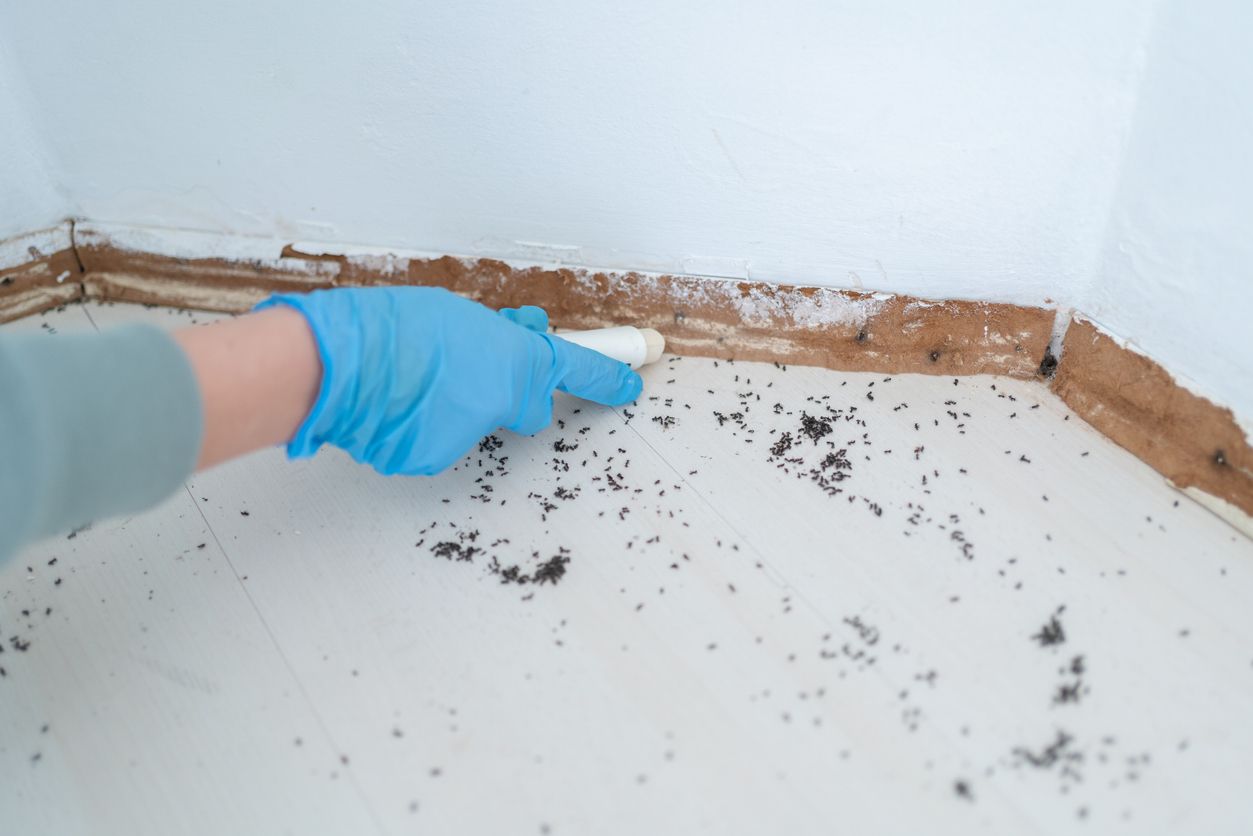
Then I moved inside. Instead of spraying everything, I placed targeted bait exactly where the ants were traveling. Ant control works best when you allow them to take the product back to the colony. When people spray visible ants with store products, it usually just breaks the trail temporarily and scatters the colony. That’s why the problem often comes back.
I also checked under the sink and found minor moisture buildup. Even small amounts of water can keep ants interested in an area. I recommended fixing that and sealing the crack near the door threshold where they were coming in.
Nothing overdone. Just finding the source and handling it properly.
The Outcome
Within a few days, the activity slowed down noticeably. The trail got shorter each day until it disappeared completely. Within a week, there were no visible ants inside the home.
When I followed up, the homeowner told me she walked into the kitchen and didn’t immediately scan the counters for Ant control. That stood out to me. When people stop thinking about the problem, that’s usually when it’s actually resolved.
She also said it helped knowing where they were coming from and what changes would prevent it from happening again. Ant control feel ongoing when you only treat what you see. Once the source is handled, things settle down quickly.
That’s usually how ant jobs go when the root cause is identified early and addressed the right way.
DIY Advice I Shared With the Homeowner
After the treatment, I gave her a few practical steps to keep things under control. These are the same things I tell homeowners in Portland every spring:
Wipe down counters daily, especially around sinks and appliances
Avoid leaving fruit or open food on counters
Fix small leaks under sinks or around faucets
Keep mulch and soil slightly pulled back from the foundation
Seal cracks around doors and windows
I also mentioned:
Don’t spray random store-bought products on Ant control trails — it can make the colony split
Store pantry goods in sealed containers
Rinse recyclables before placing them in bins
Keep pet food areas clean and dry
She followed through on those steps, and it made a difference. Ant control control works best when the homeowner stays involved after treatment.
Professional Insight
Ants are one of those pests where DIY can help early on — but if you’re seeing steady trails, the colony is already established.
What most people don’t realize is that many ant colonies are outside the home. Killing the ants you see doesn’t remove the source. If the queen and colony are untouched, they’ll keep sending workers back.
Professional ant control focuses on identifying the species, locating the nesting areas, and using the right materials in the right places. Without that, the problem often becomes a cycle.
That’s not a sales pitch — it’s just how ant colonies work.
Closing Thoughts
Every spring reminds me how quickly small pest issues can grow if ignored. Ants start as a few on the counter, and before you know it, they’re in multiple rooms.
What I’ve learned over the years is this: the sooner you address ants, the easier they are to handle.
If you’re in Portland and noticing trails in your kitchen, bathroom, or along your foundation, don’t wait for it to spread. Small problems are easier to fix than established ones.
Take care of your space, stay ahead of moisture issues, and pay attention to small changes.
– John
[https://totalpropestcontrolportland.com/commonantsportland]
