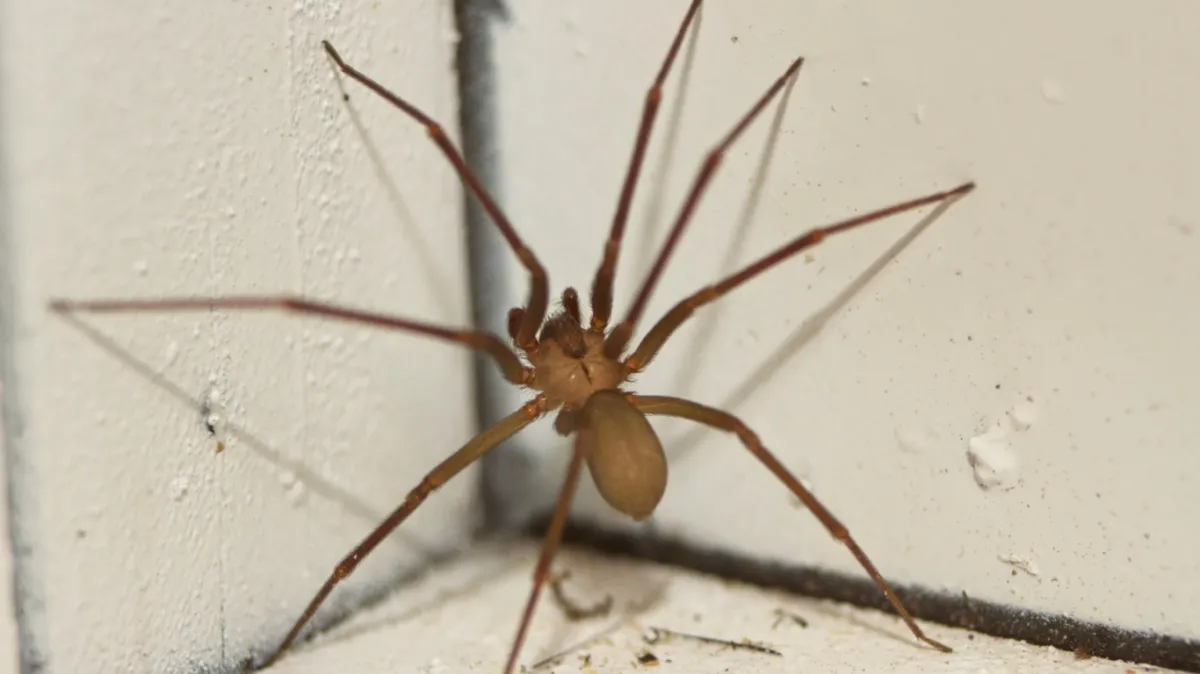
Winter Watch: Pests That Linger After the Holidays
Spiders: The Silent Winter Roommates
When winter settles over Rockport, TX, many people assume pests disappear — but spiders have other plans. These eight-legged creatures don’t hibernate; instead, they retreat indoors to enjoy the same warmth and comfort that we do.
While most spider species are harmless and even beneficial (since they eat other insects), their unexpected appearances in corners, closets, or bathrooms can make anyone uneasy.
Understanding why spiders move in and how to keep them out can help you reclaim your space and prevent a small nuisance from becoming an unsettling problem.
Why Spiders Move Indoors During Winter
Spiders are cold-blooded, meaning they rely on their environment to regulate body temperature. When the outdoor temperatures drop, they instinctively search for steady warmth and available food sources indoors.
Here are the top reasons spiders enter homes during the colder months:
Temperature Changes:
The sudden shift from warm fall days to cool winter nights pushes spiders indoors.
Homes provide consistent, comfortable climates ideal for survival and egg-laying.
Food Supply:
Shelter & Safety:
Basements, attics, and garages offer quiet, dark areas where spiders can weave webs undisturbed.
Cluttered storage rooms, piles of boxes, and unused furniture provide the perfect hiding spots.
Breeding & Egg Protection:
Female spiders lay eggs in warm, protected areas to shield them from cold and predators.
A single egg sac can contain up to hundreds of spider lings, which may hatch when temperatures rise again in spring.
How to Prevent Spiders This Winter
Keeping spiders out of your home starts with reducing their reasons to stay. A clean, well-sealed, and low-humidity environment makes it far less appealing to these stealthy visitors.
1. Declutter and Organize
Remove unused boxes, stacked newspapers, and piles of clothes that provide hiding spots.
Use sealed plastic containers instead of cardboard for long-term storage.
Keep closets, garages, and basements tidy to eliminate web-building opportunities.
2. Clean Regularly
Vacuum weekly to remove webs, egg sacs, and stray insects.
Focus on corners, window sills, and ceiling edges where webs often form.
Wipe away dust and debris that attract smaller bugs (spider prey).
3. Reduce Entry Points
Inspect and seal cracks around windows, doors, and foundation openings.
Add or replace weather stripping and door sweeps to block gaps.
Check screens for tears and repair damaged mesh immediately.
4. Manage Lighting and Humidity
Outdoor lights attract insects, which draw spiders closer—use yellow “bug lights” or motion-sensor lighting instead.
Run dehumidifiers in basements or bathrooms to reduce excess moisture.
Rodents: The Uninvited Holiday Guests
Once the holiday gatherings end and leftovers are gone, rats and mice continue the celebration—just without an invitation.
These clever, cold-weather intruders are drawn to the warmth, food, and shelter that homes provide during winter. In fact, a mouse can squeeze through a gap the size of a dime, while a rat only needs an opening the width of a quarter.
For Rockport, TX homeowners, rodent problems are particularly common during coastal cold snaps, when food becomes scarce and outdoor conditions drive these pests indoors in search of survival.
Why Rodents Thrive Indoors During Winter
Rodents are resourceful survivors, capable of adapting quickly to indoor environments. Once they find their way inside, they can reproduce rapidly—turning a minor problem into a full-blown infestation in just a few weeks.
Here are the three main reasons they thrive inside homes during colder months:
Shelter and Warmth
Attics, walls, crawl spaces, and basements provide insulation and safety from predators.
Rodents build nests from shredded paper, fabric, or insulation, often near heat sources.
Garages, sheds, and storage areas with clutter give them quiet hiding places to breed unnoticed.
Food Availability
Unsealed snacks, cereal boxes, pet food bags, and open trash cans offer easy access to calories.
Even small crumbs behind appliances or under cabinets can sustain rodents for weeks.
Birdseed, pet kibble, or compost piles outdoors often serve as initial attractants.
Water Sources
Leaky pipes, HVAC condensation, or dripping outdoor faucets can provide consistent hydration.
Rodents can survive on very little water—but any source near warmth becomes a reliable lifeline.
The Hidden Risks of a Rodent Infestation
Rodents don’t just bring noise—they bring serious health and safety risks to your home.
They gnaw constantly to wear down their teeth, which never stop growing, and this habit can lead to extensive property damage.
Here’s what makes a rodent infestation so concerning:
Electrical Damage: Chewing through wires increases the risk of short circuits or even house fires.
Plumbing and Structural Issues: Rodents gnaw on insulation, wood, and PVC pipes, causing hidden leaks and drafts.
Food Contamination: Their droppings and urine can contaminate stored goods and kitchen surfaces, spreading diseases like Salmonella and Hantavirus.
Rapid Reproduction: A single pair of mice can produce up to 60 offspring per year, making quick intervention essential.
How to Prevent Rodent Infestations Before They Spread
Rodent prevention is about blocking access, removing attractants, and maintaining cleanliness. With consistent effort and professional oversight, you can stop infestations before they even begin.
1. Seal Gaps and Openings
Inspect your foundation, roofline, vents, and attic hatches for even the smallest gaps.
Use steel wool, hardware mesh, or metal flashing—rodents can chew through foam and rubber.
Pay special attention to areas where plumbing and electrical lines enter your home.
2. Keep It Clean
Sweep crumbs daily and wipe kitchen counters after every meal.
Store food, pet kibble, and grains in airtight containers.
Empty indoor trash nightly and use outdoor bins with tight-fitting lids.
Avoid leaving pet food out overnight—it’s a magnet for nocturnal feeders.
3. Trim Outdoor Vegetation
Cut back shrubs, vines, or branches that touch your home—rodents use them as bridges to reach roofs or attics.
Keep firewood and compost bins at least 15–20 feet away from your foundation.
Maintain clean gutters and remove leaves or nesting debris.
Don’t let cold-weather pests make themselves at home after the holidays. Call Total Pro Pest Control today or visit our website to schedule your Winter Pest Inspection.
Total Pro Pest Control — Keeping Rockport, TX homes protected, comfortable, and pest-free all year long.
